Vietnam Nutritional Supplements Market
admin October 1, 2024 Business, Healthcare, News, Nutraceuticals

Vietnam Nutritional Supplements Market Share, Trends, Industry Size, Revenue, Growth Drivers, Challenges, CAGR Status and Future Investment Strategies till 2023-2033: SPER Market Research

Market Insights & Projections: Vietnam Nutritional Supplements Market (2023-33)

Nutritional supplements are products that are used to complement a diet. Various types of these supplements include liquids, pills, capsules, gummies, and powders. These products are meant to augment a person’s diet. Herbal medicines, vitamins, and minerals, as well as homeopathic remedies, are the primary categories of nutritional supplements. Certain supplements may be very beneficial to health. Calcium and vitamin D are necessary to maintain strong bones whereas, folic acid is a vitamin that expectant mothers can take to help shield their unborn child from some birth abnormalities. In addition to helping satisfy daily needs for vital nutrients, dietary supplements can assist, maintain, or improve general health. It is important to speak with a medical professional about the advantages and disadvantages of any dietary supplement before purchasing or using it.

According to SPER Market Research, the report titled Vietnam Nutritional Supplements Market Size – By Form, Ingredient, Classification, Distribution Channel, and End User – Regional Outlook, Competitive Strategies, and Segment Forecast to 2033,” the Vietnam Nutritional Supplements Market is projected to reach USD 0.19 billion by 2032, with a compound annual growth rate (CAGR) of 10.07%.

Market Drivers and Challenges:

Drivers – Southeast Asia’s middle-class and affluent inhabitants have been rapidly expanding in Vietnam. This economic expansion is expected to drive up consumer spending and raise demand for products that address nutritional deficiencies. There has been a noticeable increase in the need for healthcare supplements among Vietnamese citizens. The demand for dietary supplements has also expanded as a result of marketing campaigns launched by manufacturers and several health organizations. As people become more aware of health risks, they are taking preventative action by employing dietary products to combat ailments including high blood pressure, diabetes, obesity, and cardiovascular illnesses. This knowledge has led to a significant growth in the usage of dietary food products, which will improve the overall health and wellness of the country.

Download sample PDF copy of this report to understand structure of the complete report @ https://www.sperresearch.com/report-store/vietnam-nutritional-supplements-market.aspx?sample=1

Challenges – The growth of the market in Vietnam is impeded by the high cost of nutritional supplements. Some consumers find that the high price of these products acts as a deterrent, prohibiting them from using them frequently or from being able to purchase particular supplements. This could have an impact on the demand for nutritional supplements, particularly from consumers who are budget conscious or live in low-income areas. It could be challenging for producers and suppliers in the market to balance product quality and cost to appeal to a larger consumer base. Additionally, the authorities face difficulties in controlling unlawful products. Local and foreign businesses face competition from illegal and substandard products, which may be more alluring because of their lower costs.

COVID-19 Impact on Vietnam Nutritional Supplements Market:

The COVID-19 pandemic in Vietnam affected the dietary supplement market in a variety of ways. At first, supply chain issues and short-term store closures disrupted the market. Conversely, the pandemic raised people’s consciousness about health concerns, which fuelled the market for immune-boosting supplements. Consumer preference for contactless purchases propelled advancements in online sales channels. The pandemic encouraged the use of dietary supplements and accelerated the shift to preventative healthcare. On the other hand, consumer spending falls and economic uncertainties hindered the overall development of the market. Despite these challenges, the market was flexible, reacting to changing consumer demands and opportunities brought about by the pandemic.

Market Competitive Landscape:

The largest market shares for Vietnam Nutritional Supplements Market are held by Herbalife Nutrition due to strict quality control process and customer focused approach. Abbott Nutrition, Cliff Bar & Company, Glanbia plc, Nestle and PepsiCo are a few of the major names in the market.

Key Target Audience:

  • Drug Stores and Pharmacies Chain
  • Functional Beverages Companies
  • Functional Foods Companies
  • Government Agencies
  • Hypermarkets and Supermarkets
  • Nutraceuticals Distributors
  • Nutritional Supplements Distributors
  • Nutritional Supplements Manufacturers
  • Online Sales and Retailing Agencies
  • Vitamins and Dietary Supplements Companies
  • Others

Vietnam Nutritional Supplements Market Segmentation:

By Form:        

  • Capsules
  • Liquids
  • Powder
  • Tablets

By Ingredient:

  • Fatty Acids
  • Minerals
  • Protein
  • Vitamin

By Classification:       

  • Over-the-counter (OTC)
  • Prescription

By Distribution Channel:      

  • Hypermarkets & Supermarkets
  • Online Channels
  • Pharmacy Stores

By End User:  

  • Adults
  • Children
  • Infants
  • Old-aged
  • Pregnant Women

By Region:

  • East Vietnam
  • North Vietnam
  • South Vietnam
  • West Vietnam

For More Information in Europe Telehealth Market, refer to below link –

Europe Telehealth Market Trends

Others Industry Report –

  1. Mexico Home Appliances Market Size- By Major Appliances, By Small Appliances, By Distribution Channel- Regional Outlook, Competitive Strategies and Segment Forecast to 2033
  2. Vietnam Logistics and Warehousing Market Size-By Type, By Ownership, By End User- Regional Outlook, Competitive Strategies and Segment Forecast to 2032
  3. Malaysia Soft Drinks Market Size- By Type, By Application- Regional Outlook, Competitive Strategies and Segment Forecast to 2032
  4. USA Home Healthcare Market Size- By Equipment, By Service- Regional Outlook, Competitive Strategies and Segment Forecast to 2033

Follow Us –

LinkedIn | Instagram | Facebook | Twitter

Contact Us:

Sara Lopes, Business Consultant – U.S.A.

SPER Market Research

[email protected]

+1-347-460-2899

Europe Telemedicine Market
admin October 1, 2024 Business, Healthcare, News

Europe Telemedicine Market Share, Revenue, Size, Industry Trends, Growth Drivers, CAGR Status, Key Players, Challenges and Future Opportunities Till 2033: SPER Market Research

Market Insights & Projections: Europe Telemedicine Market (2023-33)

The practice of providing medical care remotely using digital platforms, phone conversations, and video calls is known as Telemedicine. Without having to go to a physical clinic, it enables patients to manage their health, speak with medical professionals, and get advice from professionals. With this method, routine check-ups and continuous management of chronic illnesses can be made more convenient and accessible, especially for people who live in distant or underserved locations. Telemedicine minimizes travel time, closes care gaps, and improves the efficiency of healthcare delivery through the use of technology. Digital tools can help patients stay more involved in their healthcare, which can lead to better treatment outcomes and adherence to programs.

Europe Telemedicine Market Size- By Type, By Component, By Mode of Delivery, By End User-Regional Outlook, Competitive Strategies and Segment Forecast to 2033, published by SPER Market Research, states that the Europe Telemedicine Market is estimated to reach USD 9.16 billion by 2033 with a CAGR of 9.05%.

Market Drivers and Challenges:

Drivers – Many significant factors are driving the expansion of the Telehealth Market in Europe. Technological developments in the field of digital health, including telehealth platforms and remote monitoring tools, are greatly improving the healthcare delivery experience. Demand for easily accessible and effective healthcare solutions is rising due to the aging population and rising prevalence of chronic diseases. Adoption of telemedicine is also being aided by favorable legislation and regulatory backing in numerous European countries. The demand for affordable healthcare solutions and patient’s growing demands for ease of use and quick access to medical treatment also drive market growth. In Europe, the telemedicine landscape is robust and changing quickly due to the combined effect of several variables.

Download sample PDF copy of this report to understand structure of the complete report @ https://www.sperresearch.com/report-store/europe-telemedicine-market.aspx?sample=1

Challenges – The Europe Telehealth Market faces various obstacles, such as divergent legal frameworks and reimbursement policies among nations, which may impede its smooth adoption and expansion. Due to the need for strong safeguards for patient information under strict data protection rules like GDPR, privacy and data security considerations are important. Accessibility may also be hampered by variations in internet connectivity and technology infrastructure, especially in rural locations. There are further obstacles in integrating telemedicine with current healthcare systems and guaranteeing interoperability amongst various platforms. Lastly, it is necessary to overcome opposition from certain medical personnel and patients who might favor conventional in-person consultations or harbor doubts regarding the effectiveness of remote care.

COVID-19 Impact on Europe Telemedicine Market:

The COVID-19 pandemic prompted lockdowns and social distancing measures that compelled healthcare systems to quickly incorporate remote care options, which greatly hastened the introduction of Telemedicine in Europe. Patients can now obtain care virtually more easily thanks to enhanced reimbursement policies and quicker regulatory clearances brought about by the spike in demand for telehealth services. The pandemic also brought attention to how crucial digital health tools are for quick medical consultations, managing chronic illnesses, and reducing viral exposure. But as telemedicine grows more widespread in the healthcare system, it also revealed weaknesses in the digital infrastructure and sparked worries about data security and privacy. These vulnerabilities have now been addressed via further efforts.

Market Competitive Landscape:

London dominates the Europe Telemedicine Market due to its strong healthcare system and large investments in digital health technology. Some of the Key Players are Aerotel Medical Systems Ltd, Allscripts Healthcare Solutions Inc., AMD Global Telemedicine Inc., International Business Machinery Corporation, Resideo Technologies Inc., Others.

Key Target Audience:

  • Health Insurance Companies
  • Healthcare Facilities
  • Healthcare Providers
  • Home Health Services
  • Investors and Venture Capitalists
  • Medical Device Manufacturers
  • Mental Health Professionals
  • Patients
  • Pharmaceutical Companies
  • Pharmacies
  • Telecommunication Companies
  • Telemedicine Technology Companies
  • Others

Europe Telemedicine Market Segmentation:

By Type          

  • mHealth (Mobile Health)
  • Telehomes

By Component:         

  • Products
  • Services

By Application:         

  • Cloud-based Delivery
  • On-premise Delivery

By End User:  

  • Tele-Homes
  • Tele-Hospitals
  • Others

By Region

  • France
  • Germany
  • Italy
  • Spain
  • United Kingdom
  • Rest of Europe

For More Information in Europe Telehealth Market, refer to below link –

Europe Telehealth Market Trends

Others Industry Report –

  1. Mexico Home Appliances Market Size- By Major Appliances, By Small Appliances, By Distribution Channel- Regional Outlook, Competitive Strategies and Segment Forecast to 2033
  2. Vietnam Logistics and Warehousing Market Size-By Type, By Ownership, By End User- Regional Outlook, Competitive Strategies and Segment Forecast to 2032
  3. Malaysia Soft Drinks Market Size- By Type, By Application- Regional Outlook, Competitive Strategies and Segment Forecast to 2032
  4. USA Home Healthcare Market Size- By Equipment, By Service- Regional Outlook, Competitive Strategies and Segment Forecast to 2033

Follow Us –

LinkedIn | Instagram | Facebook | Twitter

Contact Us:

Sara Lopes, Business Consultant – U.S.A.

SPER Market Research

[email protected]

+1-347-460-2899

Europe In-Vitro Fertilization (IVF) Market
admin September 30, 2024 Healthcare

Europe IVF Fertility Market is projected to be valued at USD 7.28 Billion by 2033, with a CAGR of 5.6%: SPER Market Research

In vitro fertilization (IVF) is a widely used reproductive technique that involves extracting eggs, collecting sperm samples, and physically mixing the two in a laboratory setting. As one of the most common forms of assisted reproductive technology (ART), IVF employs a combination of medications and surgical procedures to facilitate embryo development and implantation. This treatment provides significant benefits for infertile couples, helping them achieve their dream of parenthood. The rising popularity of IVF procedures has led to approximately half a million infants being born each year through IVF and other assisted reproductive technologies. As awareness of these options continues to grow, the adoption of IVF and intra cytoplasmic sperm injection (ICSI) treatments is expected to increase significantly during the forecast period, reflecting a positive trend in reproductive health.

According to SPER Market Research, ‘Europe In-Vitro Fertilization (IVF) Market Size- By Cycle Type, By End User- Regional Outlook, Competitive Strategies and Segment Forecast to 2033’ states that the  Europe In-Vitro Fertilization (IVF) Market is estimated to reach USD 7.28 Billion by 2033 with a CAGR of 5.6%.

Drivers: The European in-vitro fertilization market is primarily driven by several factors, including rising male infertility, an increase in the median age of first-time mothers, increasing obesity rates, diminishing fertility rates, and higher alcohol consumption. Additionally, heightened awareness of infertility issues, coupled with the availability of advanced treatment options, is significantly driving demand for in-vitro fertilization. The increasing median age of first-time mothers is a crucial growth factor, as more women prioritize their education, career, and personal development, often leading to later marriages. Furthermore, improved awareness and accessibility of contraceptives contribute to this trend, enabling women to better plan their families. These combined factors create a complex environment that is fostering a growing need for IVF services across

Request For Free Sample Report @ https://www.sperresearch.com/report-store/europe-in-vitro-fertilization-market.aspx?sample=1

Restraints: The European in-vitro fertilization (IVF) sector is hampered by a number of barriers to growth. Regulatory frameworks differ greatly among nations, resulting in inconsistent practices and limited treatment alternatives. For example, some countries enforce tight age limits or restrictions on embryo preservation, which may deter potential patients. Furthermore, cultural and ethical concerns about reproductive technologies create impediments, especially in more conservative nations. Financial restraints are also a factor; many individuals face significant out-of-pocket expenses due to restricted insurance coverage for IVF operations. Furthermore, increased worry about multiple pregnancies and the related health hazards has generated proposals for stricter laws, which may limit access to sophisticated reproductive technologies. These variables combine to create a tough environment for the European IVF market.

The COVID-19 pandemic had a considerable influence on in-vitro fertilization (IVF) services throughout Europe, resulting in the temporary suspension of non-urgent fertility treatments during lockdowns. Many couples experienced delays and mental distress as a result of the ambiguity surrounding clinic operations and safety procedures. However, once limits were lifted, there was an increase in demand for IVF procedures as people wanted to resume family planning. Clinics responded by instituting tight health procedures and extending telemedicine services, resulting in a more resilient landscape for reproductive healthcare after the pandemic.

Europe in-vitro fertilization (IVF) market is dominated by Denmark due to advanced fertility technologies. Major players in the market are Cadila Healthcare Ltd., DRK Kliniken Berlin, EMD Serono Inc., LG Life Sciences, Sun Pharmaceutical Industries Ltd.

For More Information, refer to below link:-

Europe In-Vitro Fertilization (IVF) Market Outlook

Related Reports:

Latin America Insulin Pens Market Size- By Device, By Distribution Channel- Regional Outlook, Competitive Strategies and Segment Forecast to 2033

Europe Aseptic Sampling Market Size- By Type of Sampling, By Application, By End User- Regional Outlook, Competitive Strategies and Segment Forecast to 2033

Europe Patient Monitoring System Market Size- By Type, By Application, By End User- Regional Outlook, Competitive Strategies and Segment Forecast to 2033

Follow Us –

LinkedIn | Instagram | Facebook | Twitter

Contact Us:

Sara Lopes, Business Consultant – U.S.A.

SPER Market Research

[email protected]

+1-347-460-2899

USA Home Healthcare Market
admin September 27, 2024 Business, Healthcare, News

US Home Healthcare Market Analysis 2023-2033 | Share, Industry Size, Revenue, Demand, Trends, Growth Drivers, New Technologies, Key Manufacturers and Future Outlook: SPER Market Research

Market Insights & Projections: USA Home Healthcare Market (2023-33)

The term “Home Healthcare” describes a variety of medical and supportive services that are given to patients in their homes as opposed to hospitals or other healthcare facilities. Encouraging patients to recuperate in a familiar and comfortable setting while providing individualized treatment and managing chronic illnesses is the aim. Medical care include services rendered by healthcare professionals, including physicians, nurses, and therapists. This may entail giving injections, tending to wounds, checking vital signs, and handling medical equipment. Therapy Services: To assist patients in regaining or improving their functional abilities, speech, occupational, and physical therapy can be offered. Personal care services include help with everyday tasks like dressing, grooming, bathing, and mobility assistance.

The USA Home Healthcare Market Size- By Equipment, By Service- Regional Outlook, Competitive Strategies and Segment Forecast to 2033″ report from SPER Market Research projects that the market will grow at a compound annual growth rate of 7.69% to reach USD 322.82 billion by 2033.

US Home Healthcare Market Drivers and Challenges:

Drivers – Elderly people in the United States are becoming more and more numerous, and many of them would to get care at home than in an institution. The need for home healthcare services is growing as a result of this demographic shift. Due to the high frequency of chronic illnesses including diabetes, heart disease, and respiratory diseases, home healthcare services can be an effective way to provide the continuing care and management that these patients require. Hospital or long-term care facilities are typically more expensive than home treatment. Patients are increasingly choosing home healthcare as a more cost-effective alternative as healthcare expenses continue to climb, according to healthcare systems.

Download sample PDF copy of this report to understand structure of the complete report @ https://www.sperresearch.com/report-store/usa-home-healthcare-market.aspx?sample=1

Challenges – Providers of home healthcare must manage complicated federal and state rules and compliance requirements. This involves fulfilling the requirements, which can be expensive and time-consuming, set by organizations like as Medicare and Medicaid. Financial instability can be brought on by insurance company and government program payment delays, as well as variations in reimbursement rates. This affects home healthcare providers. It can be difficult and complicated to navigate the invoicing and claims processes. Nurses, therapists, and home health aides are among the skilled healthcare workers in limited supply. The quantity and caliber of home healthcare services may be impacted, and hiring and training expenses may rise as a result of this shortage.

COVID-19 Impact on US Home Healthcare Market:

In the United States, the Home Healthcare Market was greatly affected by the COVID-19 pandemic. Increased infection control and Personal Protective Equipment (PPE) were necessary due to the elevated hazards associated with the COVID-19 pandemic. Although telehealth was extended, some components of treatment could not be efficiently provided remotely, such as complicated medical interventions or hands-on physical therapy. Use of telehealth services increased as a result of the epidemic. Virtual visits have become popular among home health care providers as a way to minimize virus transmission and ensure continuity of care. Better management of chronic illnesses and prompt interventions without the need for in-person visits were made possible by the growing usage of remote monitoring technologies.

Market Competitive Landscape:

Since New York is the most populated city in the country and has a large number of citizens in need of home healthcare services, It leads the USA Home Healthcare Market. Some of the Key Players are – 3M Healthcare, Amedisys, Inc., Atria Senior Living, Inc., B. Braun Melsungen AG, Baxter International Inc., Becton, Dickinson and Company, Brookdale Senior Living Inc., Diversicare Healthcare Services, Inc., Extendicare, Inc., Genesis Healthcare, Hoffman-La Roche AG, Home Instead, Inc. and Others.

Key Target Audience:

  • Government Agencies
  • Healthcare Service Providers
  • Industry Associations
  • Investors
  • Researchers and Academics
  • Others

US Home Healthcare Market Segmentation:

By Equipment:

  • Diagnostic Equipment
  • Mobility Assist Equipment
  • Therapeutic Equipment

By Service:

  • Skilled Home Healthcare Services
  • Unskilled Home Healthcare Services

By Region:

  • Northeast Region
  • Southeast Region
  • Midwest Region
  • Southwest Region
  • Western Region

For More Information in USA Home Healthcare Market, refer to below link –

USA Home Healthcare Market Share

Others Industry Report –

  1. India Pan Masala Market Size- By Type, By Price Range, By Packaging, By Distribution Channel- Regional Outlook, Competitive Strategies and Segment Forecast to 2033
  2. India Pan Masala Market Size- By Type, By Price Range, By Packaging, By Distribution Channel- Regional Outlook, Competitive Strategies and Segment Forecast to 2033
  3. Australia Elderly Care Services Market Size- By Product, By Service, By Application- Regional Outlook, Competitive Strategies and Segment Forecast to 2033
  4. India Cosmetic Products Market Size- By Product Type, By Distribution Channel- Regional Outlook, Competitive Strategies and Segment Forecast to 2033

Follow Us –

LinkedIn | Instagram | Facebook | Twitter

Contact Us:

Sara Lopes, Business Consultant – U.S.A.

SPER Market Research

[email protected]

+1-347-460-2899

Asia-Pacific In-Vitro Fertilization (IVF) Market
admin September 25, 2024 Business, Healthcare

Asia-Pacific IVF Solutions Market Trends, Revenue, Industry Share, Growth Drivers, Opportunities, Challenges, and Forecasts to 2033 by SPER Market Research

In-vitro fertilization (IVF) is a medical technique that involves fertilizing an egg with sperm outside of the body, usually in a laboratory setting. This process begins with ovarian stimulation, which involves administering hormones to encourage the ovaries to generate numerous eggs. Once mature, the eggs are collected and mixed with sperm in a controlled setting, allowing fertilization to take place. The resulting embryos are monitored for development before one or more are chosen for transfer into woman’s uterus, with the objective of achieving pregnancy. Individuals and couples suffering from infertility for a variety of reasons, including age, medical ailments, or unexplained fertility issues, can find hope with IVF. Furthermore, technological improvements have increased success rates and broadened choices, including the utilization of donor eggs.

According to SPER Market Research, Asia-Pacific In-Vitro Fertilization (IVF) Market Size- By Cycle Type, By End User- Regional Outlook, Competitive Strategies and Segment Forecast to 2033’ states that The Asia Pacific In-Vitro Fertilization (IVF) Market is estimated to reach USD 63.52 Billion by 2033 with a CAGR of 17.24%.

Drivers: The Asia-Pacific in-vitro fertilization (IVF) industry is expanding rapidly due to a number of main drivers. One of the key growth factors is the increased frequency of infertility in the region, which affects a sizable proportion of couples. Infertility can be caused by a variety of factors, including delayed marriage and lifestyle changes. Technological developments in IVF treatments have contributed significantly to the market’s growth. Innovations include preimplantation genetic testing (PGT) and better cryopreservation procedures. The rise of medical tourism is another element driving market expansion. Patients from countries with limited IVF options are increasingly flocking to Asia-Pacific countries for advanced fertility treatments at lower prices. Furthermore, shifting public attitudes around infertility and assisted reproductive technologies creating a more accepting atmosphere for people considering IVF.

Request For Free Sample Report @ https://www.sperresearch.com/report-store/asia-pacific-in-vitro-fertilization-market.aspx?sample=1

Challenges: The Asia-Pacific in-vitro fertilization (IVF) industry has a number of issues that may impede its growth and accessibility. One of the most significant barriers is the high expense of IVF treatments, which can be unaffordable for many couples, particularly in underdeveloped nations. Insurance coverage for fertility treatments is sometimes limited or non-existent, increasing the financial burden on potential parents. Another key problem is the variation in legislation and standards among the region’s governments. Furthermore, the cultural stigma associated with infertility and assisted reproductive technology persists in many countries of Asia-Pacific. The quality and availability of healthcare infrastructure might also be challenging, with insufficient facilities or skilled experts. Additionally, the IVF sector has obstacles in terms of technical integration and trained personnel availability.

The COVID-19 pandemic had a huge influence on the Asia-Pacific IVF business. Initially, as governments enacted lockdowns and social distancing measures, many fertility clinics were compelled to halt IVF treatments and restrict patient access to critical services. As the epidemic spread, IVF clinics began to adopt new safety standards and guidelines, installing safeguards to protect patients and staff. This included improved sanitary procedures, social separation in waiting rooms, and virtual consultations to reduce in-person visits. Furthermore, the pandemic exposed discrepancies in healthcare access across the Asia-Pacific region. Many people experienced job losses, raising concerns about the cost of IVF treatments. The pandemic exposed gaps in healthcare access across Asia-Pacific. Rural communities experienced barriers to receiving fertility services.

In Asia Pacific In-Vitro Fertilization Market, Australia dominates the market due to its advance healthcare system and high success rate in fertility treatments. The key players in the market are Alcon, Bausch Health Companies Inc., Carl Zeiss AG, Cooper Companies, Johnson & Johnson and others.

For More Information, refer to below link:-

Asia-Pacific In-Vitro Fertilization (IVF) Market Analysis

Related Reports:

Germany Home Healthcare Market Size- By Type, By Products- Regional Outlook, Competitive Strategies and Segment Forecast to 2033

Mental Health Screening Market Size- By Indication, By Screening, By Technology, By Age Group- Regional Outlook, Competitive Strategies and Segment Forecast to 2033

Early Toxicity Testing Market Size- By Technique, By End User- Regional Outlook, Competitive Strategies and Segment Forecast to 2033

Europe Plasma Protein Therapeutics Market Size- By End User, By Product Type, By Application- Regional Outlook, Competitive Strategies and Segment Forecast to 2033

Europe Medical Device Industry Expected to Reach USD 87.12 Billion by 2032 with a CAGR of 4.93% as Forecasted by SPER Market Research

Follow Us –

LinkedIn | Instagram | Facebook | Twitter

Contact Us:

Sara Lopes, Business Consultant – U.S.A.

SPER Market Research

[email protected]

+1-347-460-2899

United States Health and Fitness Club Market
admin September 25, 2024 Business, Healthcare, News

United States Health and Fitness Club Market Share, Upcoming Trends, Future Strategy, Challenges and Business Opportunities 2033: SPER Market Research

A health and fitness club is a community hub for those who want to enhance their physical and overall health. These clubs often provide a wide range of services, such as cutting-edge gym equipment, group fitness classes, personal training sessions, and wellness programs. Members can participate in activities such as yoga, spinning, and strength training, which are geared to different fitness levels. In addition, several clubs offer nutritional advice and wellness programs to promote a comprehensive approach to health. The social aspect of fitness clubs promotes motivation and accountability, making it simpler for people to achieve their goals. Overall, health and fitness clubs play an important role in encouraging better lifestyles and assisting people with their fitness journeys.

According to SPER Market Research, United States Health and Fitness Club Market Size- By Service Type- Regional Outlook, Competitive Strategies and Segment Forecast to 2033’ states that The United States Health and Fitness Club Market is estimated to reach USD XX Billion by 2033 with a CAGR of XX%.

Drivers: The health and fitness club market in the United States has grown significantly over the last decade, owing to a variety of factors reflecting shifting consumer behaviours and lifestyle trends. The rise of digital fitness platforms and smartphone applications has changed the way people interact with fitness. Many fitness clubs now offer virtual classes and hybrid memberships, allowing members to select between in-person and online workouts. Another significant growth element is the expense of healthcare in the United States, as more people recognize the necessity of living a healthy lifestyle to avoid chronic diseases. The demographic landscape is also changing, with younger generations, particularly Millennials and Generation Z, demonstrating a strong preference for exercise. These age groups are not simply more likely to attend a gym.

Request For Free Sample Report @ https://www.sperresearch.com/report-store/united-states-health-and-fitness-club-market.aspx?sample=1

Challenges: The health and fitness club market in the United States confronts a number of problems that could impede its growth and viability. One of the most significant obstacles is the industry’s fierce competitiveness. As new fitness centers, boutique studios, and digital workout platforms join the market, traditional gyms must constantly innovate to keep and attract members. Furthermore, economic reasons such as inflation and increased living costs have caused consumers to become more frugal. As discretionary spending decreases, some people may prioritize necessary costs over gym subscriptions. Retention is another major issue for health and fitness clubs. Many members start with excitement, but drop out after a few months owing to a lack of desire or failure to meet their fitness objectives.

The COVID-19 epidemic had a tremendous impact on the health and fitness club business in the US. According to a research by the International Health, Racquet, and Sportsclub Association (IHRSA), many fitness facilities were forced to close temporarily during lockdowns, resulting in significant membership cancellations and income loss. As gyms reopened, they faced the problem of regaining their membership base. Many people were hesitant to return to public settings, resulting in lower attendance rates. The epidemic has also encouraged the growth of boutique fitness studios and internet fitness platforms, boosting market competitiveness. Furthermore, the economic burden of the epidemic prompted many customers to reconsider their discretionary purchasing. Despite these obstacles, the long-term forecast for the health and fitness club business is hopeful.

Key Players: 

In United Stated Health and Fitness Club Market, California dominated the market due to its high concentration of fitness clubs and strong fitness culture. The key players in the market are Anytime Fitness, Crunch Fitness, Curves International, Equinox Fitness, Gold’s Gym and Others.

For More Information, refer to below link:-

United States Health and Fitness Club Market Revenue

Related Reports:

Cervical Cancer Diagnostic Market Size- By Diagnostic Test, By Age Group, By End User- Regional Outlook, Competitive Strategies and Segment Forecast to 2033

Europe Aseptic Sampling Market Size- By Type of Sampling, By Application, By End User- Regional Outlook, Competitive Strategies and Segment Forecast to 2033

Europe Elderly Care Facilities Market Size- By Type, By Service Type, By Service Provider, By Application- Regional Outlook, Competitive Strategies and Segment Forecast to 2033

Europe Insulin Pens Market Size- By Product Type- Regional Outlook, Competitive Strategies and Segment Forecast to 2033

Follow Us – 

LinkedIn | Instagram | Facebook | Twitter

Contact Us:

Sara Lopes, Business Consultant – U.S.A.

SPER Market Research

[email protected]

+1-347-460-2899

Europe Medical Device Market
admin September 24, 2024 Business, Medical Devices, News

Europe Medical Device Market Growth, Share, Upcoming Trends, Revenue, Prices, Key Manufactures, Future Opportunities and Competitive Analysis 2032: SPER Market Research

Medical devices are a diverse group of equipment, apparatuses, machines, and implants used to diagnose, monitor, and treat a variety of health conditions. Bandages and thermometers are examples of simple devices, while MRI equipment and robotic surgical systems are more complicated. The medical device business is critical to modern healthcare, increasing patient outcomes and quality of life with innovative technology. Wearable gadgets, telemedicine, and digital health solutions are revolutionizing healthcare delivery, allowing for real-time monitoring and individualized treatment programs. Regulatory authorities, such as the FDA in the United States, oversee the safety and efficacy of these devices, promoting public trust. As, technology improves medical devices. As technology advances, the medical device sector is poised for tremendous expansion.

According to SPER Market Research, Europe Medical Device Market Size- By Device Type, By End User- Regional Outlook, Competitive Strategies and Segment Forecast to 2032’ states that The Europe Medical Device Market is estimated to reach USD  87.12 billion by 2033 with a CAGR of 4.93%.

Drivers: The aging population in Europe is a major growth factor for the medical device market, as it increases the prevalence of chronic diseases and the demand for medical interventions. The market is expanding significantly in Europe. Another key factor in the market’s growth is technological innovation. The creation of cutting-edge medical equipment, including wearable monitoring devices, telemedicine systems, and minimally invasive surgical instruments. Additionally, to improve patient safety and guarantee the effectiveness of medical devices, the European Union has implemented regulations such as the Medical Device Regulation (MDR) and the In Vitro Diagnostic Regulation (IVDR). The market is expanding due to increased healthcare expenditures in European nations, which encourages the use of cutting-edge medical technologies and drives the market as a whole.

Request For Free Sample Report @ https://www.sperresearch.com/report-store/europe-medical-device-market.aspx?sample=1

Challenges: The strict regulatory environment is one of the biggest hurdles facing the European medical device business. There are other challenges as well. Manufacturer compliance standards have been more stringent with the introduction of the Medical Device Regulation (MDR) and In Vitro Diagnostic Regulation (IVDR) by the European Union. Another issue facing established businesses in Europe is the growing competition from new markets. Asian and other low-cost competitors are putting pressure on many manufacturing. Obstacles may also arise from the increased scrutiny of product efficacy and safety. Transparency is in higher demand as patients and healthcare providers gain more knowledge. Finally, there are advantages and disadvantages to the continuous digital revolution in healthcare.

The European medical device market has been significantly impacted by the COVID-19 epidemic. At first, the pandemic seriously disrupted supply chains and production, which resulted in a lack of vital medical supplies like ventilators, PPE, and diagnostic tools. Conversely, the pandemic hastened the uptake of telemedicine and remote monitoring systems, propelling expansion in particular sectors of the medical device industry. The need to combat the pandemic quickly also led to accelerated regulatory procedures for some medical equipment, including vaccines and quick diagnostic tests. But the pandemic also presented difficulties with safety and compliance. As new technologies were released quickly, the demand for thorough post-market surveillance increased. Ultimately, the pandemic has increased awareness of the importance of having strong healthcare systems throughout Europe and health readiness.

In Europe Medical Device Market, Germany dominates the market due to its high level of innovation and advance technology in Healthcare sector. The key players in the market are Abbott, B. Braun, Boston Scientific, Fujifilm, GE Healthcare and others.

For More Information, refer to below link:-

European Medical Devices Market Outlook

Related Reports:     

Europe Blood Glucose Test Strips Market Size- By Type, By Technology, By End User- Regional Outlook, Competitive Strategies and Segment Forecast to 2033

Mexico Surgical Devices Market Size- By Product, By Application- Regional Outlook, Competitive Strategies and Segment Forecast to 2033

United States Computed Tomography Market Size- By Type, By Application, By End User- Regional Outlook, Competitive Strategies and Segment Forecast to 2033

Europe Diabetes Care Devices Market Size- By Monitoring Devices, By Management Devices- Regional Outlook, Competitive Strategies and Segment Forecast to 2033

 Follow Us –

LinkedIn | Instagram | Facebook | Twitter

Contact Us:

Sara Lopes, Business Consultant – U.S.A.

SPER Market Research

[email protected]

+1-347-460-2899

Europe Breast Implants Market
admin September 24, 2024 Business, Healthcare, News

Europe Breast Implants Market Share and Size 2024, Revenue, Rising Trends, Growth Drivers, Opportunities and Business Challenges 2033: SPER Market Research

Breast implants are surgical devices that are inserted beneath the breast tissue to increase breast size or contour. They are typically composed of silicone or saline. Silicone implants are filled with a cohesive gel that feels like breast flesh. Saline implants are filled with sterilized saltwater. Both types can take various shapes and sizes to obtain the required outcomes.

Breast implants have two main functions: breast augmentation, which increases breast size, and breast reconstruction, which helps restore breast shape and volume after mastectomy or other surgical procedures.

Breast implants are classified into two types: saline-filled implants, which are silicone shells filled with saltwater, and silicone gel-filled implants. A plastic surgeon places the implant behind or in front of the pectoral muscle.

According to SPER Market Research, ‘Europe Breast Implants Market Size- By Type, By Shape, By Surface, By Surgery, By End User- Regional Outlook, Competitive Strategies and Segment Forecast to 2033’ states that The Europe Breast Implant Market is estimate to reach USD 0.8 Billion by 2033 with a  CAGR of 5.2%.

Drivers: The European breast implant market has grown significantly in recent years, owing to a variety of factors. One of the key motivators is the growing acceptability of cosmetic surgery procedures among women in the region. Another significant aspect driving market expansion is advancements in implant technology in Europe. Manufacturers have consistently created novel implant designs and materials to improve safety, durability, and cosmetic results. Economic growth and increased disposable incomes in several European countries have also fuelled demand for breast implants. People with more financial advantages are more likely to invest in their personal appearance. Furthermore, the increased popularity of social media and internet platforms has impacted consumer tastes and views of beauty standards especially breast implants.

 Request For Free Sample Report @ https://www.sperresearch.com/report-store/europe-breast-implants-market.aspx?sample=1

Challenges: The European breast implant market, while significant, faces a number of difficulties that could impede its expansion. One major problem is the ongoing dispute about the safety of silicone implants. Despite regulatory clearances, worries regarding the long-term health risks connected with silicone implants remain. Furthermore, European industry is very competitive, with numerous established and new firms. Regulatory agencies in Europe are enacting stronger criteria and guidelines to assure the safety. Complying with these standards can be expensive and time-consuming for producers, possibly impeding market entry and expansion. Furthermore, the popularity of non-surgical alternatives to breast augmentation, such as fat transfer and non-surgical breast lifts, which are less intrusive and potentially more economical, poses a challenge to the breast implant business.

The COVID-19 outbreak caused major disruption to the European breast implant business. During the peak of the pandemic, many healthcare systems prioritized critical procedures, causing delays in elective surgeries such as breast augmentation. Lockdowns and restrictions on manufacturing facilities impacted the supply chain for breast implants, resulting in shortages and higher pricing in some regions. The epidemic may have prompted some consumers to emphasize their overall health and well-being, potentially influencing their decision to have elective operations. The epidemic may have boosted demand in non-surgical breast enhancement procedures including fat transfer and nonsurgical breast lifts. While the COVID-19 epidemic posed considerable hurdles for the European breast implant business, the industry demonstrated resilience and adaptability.

Key Players: 

In Europe Breast Market, Germany emerges as a dominated region due to High Disponsable income and advance healthcare system. The key players in the market are Allergan Plc, Arion Laboratories, Cereplas, Establishment Labs S.A., GC Aesthetics Plc and others.

For More Information, refer to below link:-

Europe Breast Implants Market Scope

Related Reports:

Europe Dental Implant Market Size- By Product Type, By Material, By Design- Regional outlook, Competitive Strategies and Segment Forecast to 2033

Europe Aseptic Sampling Market Size- By Type of Sampling, By Application, By End User- Regional Outlook, Competitive Strategies and Segment Forecast to 2033

Latin America Insulin Pens Market Size- By Device, By Distribution Channel- Regional Outlook, Competitive Strategies and Segment Forecast to 2033

Follow Us –

LinkedIn | Instagram | Facebook | Twitter

Contact Us:

Sara Lopes, Business Consultant – U.S.A.

SPER Market Research

[email protected]

+1-347-460-2899

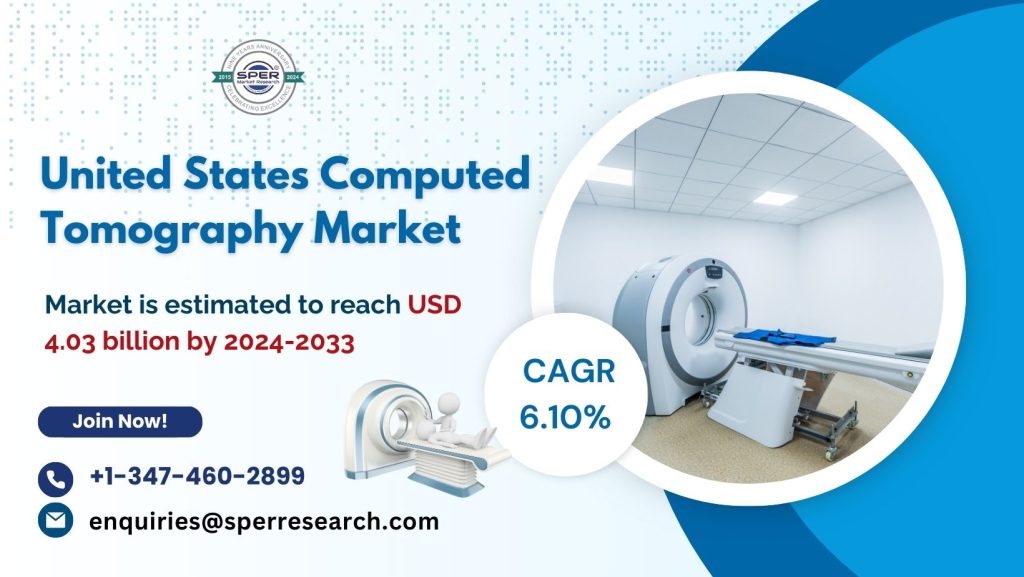
United States Computed Tomography Market
admin September 23, 2024 Business, Medical Devices, News

United States Computed Tomography Market Size, Share, Upcoming Trends, Growth Drivers, Key Players, Business Opportunities and Forecast 2033: SPER Market Research

Computed tomography (CT) is a sophisticated imaging method that uses X-rays and computer processing to produce extremely detailed cross-sectional images of the body. The patient is positioned on a table that passes through the CT scanner’s circular aperture, with an X-ray tube that rotates around them. This rotation gathers a large number of X-ray pictures from different viewpoints, which a computer subsequently assembles into several thin slices to give a comprehensive view of the inside organs, tissues, and bones.

According to SPER market research, United States Computed Tomography Market Size- By Type, By Application, By End User – Regional Outlook, Competitive Strategies and Segment Forecast to 2033’ state that the United States Computed Tomography Market is predicted to reach USD 4.03 Billion by 2033 with a CAGR of 6.10%.

Drivers: The primary drivers of the computed tomography sector in the United States are the rising incidence and mortality rates associated with chronic illnesses, such as diabetes, cancer, cardiovascular disease, neurological disorders, etc. The primary causes of death and disability in the nation, accounting for USD 3.8 trillion in annual health care costs, are chronic illnesses such as diabetes, cancer, and heart disease, according to the Centers for Disease Control and Prevention. In the country, four out of ten people have two or more chronic illnesses, and six out of ten people have one or more. Consequently, the market’s optimistic growth is being fueled by the nation’s increasing frequency of chronic ailments.

Challenges:

  • Over the anticipated timeframe, regulatory bodies including the US Food and Drug Administration anticipate issuing more product recalls, which will impede market expansion. For instance, Shanghai United Imaging Healthcare Co., LTD, an equipment producer and distributor, produced the Computed Tomography XRay System, about which the US Food and Drug Administration issued a recall in June 2020.
  • Furthermore, it is anticipated that the US market will grow slowly due to a number of problems, including inadequate reimbursement, difficult regulatory approval processes, expensive equipment, and CT scan procedures.

Request For Free Sample Report @ https://www.sperresearch.com/report-store/us-computed-tomography-market.aspx?sample=1

The COVID-19 pandemic has resulted in longer wait times for potentially life-saving nuclear imaging operations, making it more difficult for patients to access healthcare facilities. Patients now have to wait longer for their scans to be finished as a result of the epidemic. According to the results of a report published in April 2020 by the Radiology Society of North America and titled “The Economic Impact of the COVID-19 Pandemic on Radiology Practices,” the COVID-19 pandemic has had a major influence on radiography practices across the country. Policies implemented to curb the disease’s spread are reducing the need for imaging even in the absence of COVID-19.

Additionally, some of the market key players are; Koninklijke Philips NV, Neusoft Medical Systems Co. Ltd, Planmeca Group (Planmed OY), Samsung Electronics Co., Ltd., Siemens Healthineers AG, Stryker Corporation, Others.

United States Computed Tomography Market Segmentation:

By Type: Based on the Type, United States Computed Tomography Market is segmented as; Low Slice, Medium Slice, High Slice.

By Application: Based on the Application, United States Computed Tomography Market is segmented as; Oncology, Neurology, Cardiovascular, Musculoskeletal, Others.

By End User: Based on the End User, United States Computed Tomography Market is segmented as; Hospitals, Diagnostic Centers, Others.

By Region: This research also includes data for Eastern, Western, Southern and Northern Region.

This study also encompasses various drivers and restraining factors of this market for the forecast period. Various growth opportunities are also discussed in the report.

For More Information, refer to below link:-

United States Computed Tomography Market Analysis

Related Reports:

United States Digital X-ray Devices Market Size- By Application, By Technology, By Portability, By End User- Regional Outlook, Competitive Strategies and Segment Forecast to 2033

X-ray Inspection System Market Size- By Offering, By Imaging Technology, By Dimension, By Product Type, By Scanning Technology, By Number of Lanes, By End User- Regional Outlook, Competitive Strategies and Segment Forecast to 2033

United Kingdom Digital X-ray Devices Market Size- By Application, By Technology, By Portability, By End User- Regional Outlook, Competitive Strategies and Segment Forecast to 2033

Europe Cosmetic Surgery & Procedure Market is expected to reach USD XX billion by 2033, growing at a CAGR of 5.7% during the forecast period: SPER Market Research

Follow Us –  

Contact Us:  

Sara Lopes, Business Consultant – USA

SPER Market Research

[email protected]

+1-347-460-2899

admin September 20, 2024 Business, Healthcare

Hair Transplant Market Growth, Key Challenges, Future Opportunities, Revenue, and Size Forecast 2024-2032: SPER Market Research

The term “hair transplant” describes the market for surgical treatments intended to help people who are balding or experiencing hair loss regrow their hair. In these treatments, hair follicles from one part of the body are transferred to the balding or thinning areas. In the upcoming years, it is projected that an increasing number of people will have hair loss, which will develop the market. The immune system targets the hair follicles in alopecia areata, a common illness that causes hair loss. This medical condition has been connected to reduced living quality, subpar performance at work, and low self-esteem. The correlation between hair loss and certain long-term psychotic diseases, such as depression and substance misuse, has also been validated by multiple research.

According to SPER market research, Hair Transplant Market Size- By Surgical Procedure, By Service Provider, By Gender, By Product, By Therapy, By Surgery Type- Regional Outlook, Competitive Strategies, and Segment Forecast to 2032’ state that the Global Hair Transplant Market is predicted to reach USD 38.54 Billion by 2032 with a CAGR of 20.6%.

The rapidly growing patient pool with more disposable income is fueling the enormous rise of the worldwide hair transplant industry. The successful treatment of alopecia in both men and women has been made possible by advancements in hair transplantation techniques, which has led to an increased market. The developing economies, experiencing a surge in disposable income, witness increased spending on aesthetic procedures, particularly in hair restoration. Moreover, the rising prevalence of androgenic alopecia, a common term for male hair loss, further fuels market growth. Hair transplantation is the most common surgical treatment performed worldwide, and as such, it is a major factor driving the global hair transplant market. Patients seeking hair transplantation are becoming more numerous.

Request For Free Sample Report @ https://www.sperresearch.com/report-store/hair-transplant-market.aspx?sample=1

The major obstacles facing the worldwide hair transplant market are the exorbitant costs of the necessary equipment and treatments. Despite government initiatives supporting market innovation, the expense of hair transplant surgeries, particularly for extensive hair loss requiring multiple sessions, poses a significant restraint. Potential patients may be discouraged from seeking such therapies due to the high expense. Moreover, the absence of standardized regulations globally contributes to the challenge, with varying regulatory frameworks impacting consistent quality and safety standards for procedures. It is projected that the absence of consistency among nations and areas will impede the expansion of the worldwide hair transplant industry between 2023 and 2032.

Impact of COVID-19 on Hair Transplant Market

Due to lockdowns and travel restrictions, the COVID-19 pandemic caused a brief reduction in hair transplant surgeries, which in turn caused a temporary slowdown in the global hair transplant business. Reduced consumer spending on non-essential treatments, such as hair transplants, was brought on by financial uncertainty. The crisis made pressing health issues the top priority, which might have made cosmetic procedures like hair transplants less important. However, there is currently a fresh spike in demand for hair transplant surgeries due to the advancement of vaccine efforts and the relaxing of regulations. Pent-up demand from people who put off their treatments during the height of the outbreak is driving this comeback.

Hair Transplant Market Key Players:

Prominent participants in this industry include Cutera, Inc., Hair Restoration Black Rock, Hairdoc, Tempus Hair Restoration of Florida, ILHT Dubai, Bernstein Medical, Medical Hair Transplants & Aesthetics, among others. These major participants make a substantial contribution to the industry by using their knowledge to mold and affect market dynamics. Asia-Pacific, the Middle East and Africa, North America, Europe, and Latin America are among the prominent regions covered.

For More Information, refer to below link:-

Hair Transplant Market Growth

Related Reports:

South Africa Digital Health Market Size- By Technology, By Application, By Delivery Mode, By Components, By End User- Regional Outlook, Competitive Strategies and Segment Forecast to 2033

Oral Cancer Rapid Test Kit Market Size- By Product, By End User, By Principle- Regional Outlook, Competitive Strategies and Segment Forecast to 2033

Follow Us –

LinkedIn | Instagram | Facebook | Twitter

Contact Us:

Sara Lopes, Business Consultant – U.S.A.

SPER Market Research

[email protected]

+1-347-460-2899