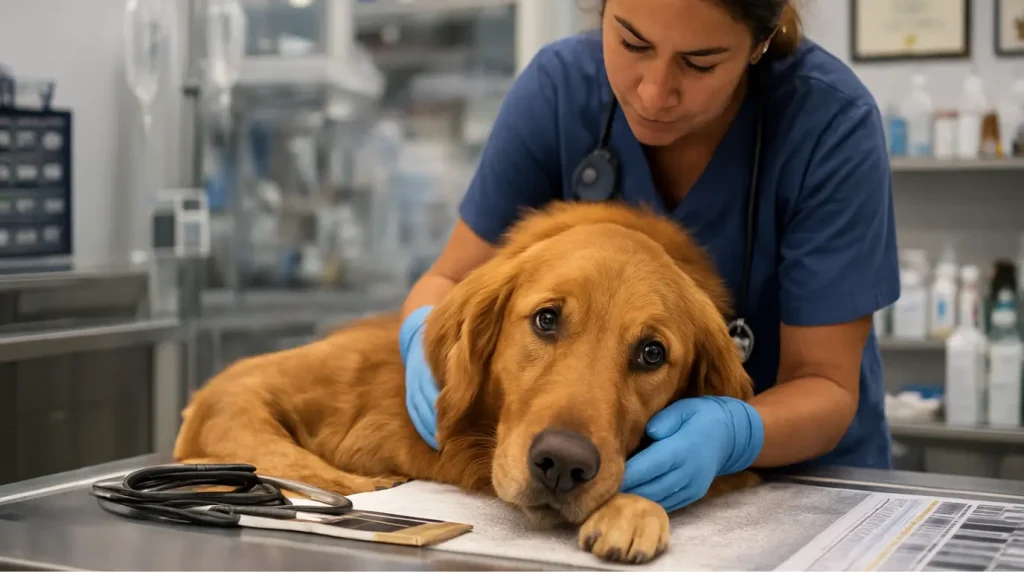
When most people think of veterinary healthcare, they picture a dog at a clinic or a cat getting vaccinated. But animal health today extends far beyond pets—it directly impacts human health, food security, ecosystems, and national economies. As zoonotic diseases and emerging infectious diseases continue to increase globally, veterinary public health is becoming a critical part of modern public health systems and global health security.
From disease outbreak prediction to preventive veterinary care, governments, healthcare organizations, and agribusiness companies are recognizing that animal health and human health are deeply connected. The growing focus on the One Health approach highlights how veterinary services, environmental protection, and human healthcare must work together to reduce future global health risks.
Protecting Human Health: Animals Are the Early Warning System
More than 60% of infectious diseases in humans originate in animals, including COVID-19, Ebola, rabies, and bird flu. This growing threat of animal-to-human disease transmission has increased the importance of animal disease surveillance and veterinary epidemiology worldwide.
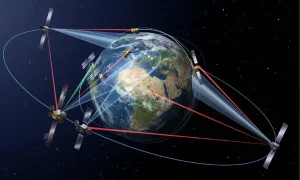
Veterinarians are now playing a major role in pandemic prevention strategies by helping identify zoonotic disease transmission early. Advanced technologies such as AI in veterinary medicine and AI-powered disease surveillance systems are improving global disease surveillance and helping experts detect outbreaks before they spread widely among human populations.
- Mass rabies vaccination programs across Asia and Africa are preventing thousands of deaths every year
- Wildlife disease surveillance systems are helping reduce the spread of viruses between animals and humans
- Reducing antibiotic overuse in livestock helps slow antimicrobial resistance, one of the biggest threats to global health.
The focus is shifting from emergency response toward stronger public health preparedness through early detection, prevention, and coordinated veterinary public health systems.
Feeding the World: Healthy Animals, Stable Food Supply
Animal health and food security are closely linked. A single livestock outbreak can disrupt food supply chains, increase prices, and damage international trade. Diseases such as foot-and-mouth disease and African swine fever have already caused billions in economic losses globally.
Governments and private companies are investing heavily in livestock health management, veterinary biosecurity, and livestock disease prevention to strengthen food supply chain protection and agricultural resilience.
- Veterinary healthcare systems help ensure safe and productive livestock operations
- Large-scale vaccination and biosecurity programs protect food security and reduce disease risks
- Companies like Elanco and Cargill are integrating animal nutrition and health monitoring systems to improve farm productivity and reduce losses
Modern agriculture is evolving into smart livestock farming powered by digital veterinary health tools, livestock monitoring systems, and real-time analytics. Veterinarians are increasingly acting as strategic advisors rather than only emergency caregivers.
Protecting Nature: Conservation Medicine on the Rise
Veterinary science is also becoming essential for ecosystem health management and wildlife conservation. Disease outbreaks have pushed endangered species closer to extinction, while targeted veterinary interventions and wildlife vaccination programs have helped stabilize vulnerable populations.
- Conservation medicine initiatives are helping protect biodiversity and animal health
- Wildlife disease surveillance reduces disease spillovers between wildlife and nearby communities
- Veterinarians and environmental experts are collaborating to address climate-related disease risks and habitat disruption
Conservation medicine is now an important part of the One Health approach, which recognizes that healthy ecosystems, healthy animals, and healthy human populations are interconnected.
The Policy Case: Veterinary Healthcare as National Infrastructure
Global organizations such as the World Health Organization, Food and Agriculture Organization, and World Organisation for Animal Health are increasingly treating veterinary healthcare as essential national health infrastructure.
Countries with strong veterinary public health systems are often better prepared to manage pandemics, livestock losses, and climate-related disruptions.
- Cross-sector One Health approach initiatives are improving coordination between human and animal health agencies
- Investments in preventive veterinary care strengthen economic resilience and public health systems
- Veterinary intelligence platforms and national disease surveillance systems are becoming critical tools for global health security
The message for policymakers is clear: investing in animal health is not simply about protecting animals — it is an investment in public health preparedness, food security, and long-term economic stability.
What Needs to Happen Next
As the world faces rising healthcare challenges, stronger veterinary healthcare systems will become increasingly important for global resilience.
Key priorities include:
- Scaling AI-powered disease surveillance and veterinary intelligence platforms nationally
- Expanding access to veterinary services in rural and underserved communities
- Increasing investment in preventive veterinary care instead of relying only on crisis response
- Integrating animal health and human health data into broader disease outbreak prediction systems
- Strengthening veterinary education and workforce development to meet growing demand
The future of global health security will depend heavily on how countries manage zoonotic disease prevention, livestock disease management, and veterinary infrastructure. Animal health is no longer just about pets—it is a major public health, environmental, and economic priority.
FAQs
What are zoonotic diseases?
Zoonotic diseases are infections that spread between animals and humans. Examples include COVID-19, rabies, Ebola, and bird flu. Effective animal disease surveillance and veterinary public health systems help reduce the risk of zoonotic disease transmission.
Why is animal health important for humans?
Animal health directly impacts human health, food security, and public health preparedness. Healthy livestock systems reduce disease outbreaks, protect food supplies, and lower the risk of emerging infectious diseases.
What is the One Health approach?
The One Health approach is a global strategy that connects animal health, human health, and environmental sustainability. It promotes collaboration between healthcare professionals, veterinarians, and environmental experts to improve global health security.
How do veterinarians help prevent pandemics?
Veterinarians help identify disease outbreaks early through wildlife disease surveillance, veterinary epidemiology, and AI-powered disease surveillance systems. Their role is critical in preventing animal-to-human disease transmission and supporting pandemic prevention strategies.
How does animal health affect food security?
Animal health and food security are closely connected. Healthy livestock improve food production, reduce supply chain disruptions, and support stable agricultural economies.
What role does AI in veterinary medicine play?
AI in veterinary medicine helps improve disease outbreak prediction, livestock monitoring systems, and real-time health analysis. AI-powered technologies are helping veterinarians detect health risks faster and improve preventive veterinary care.